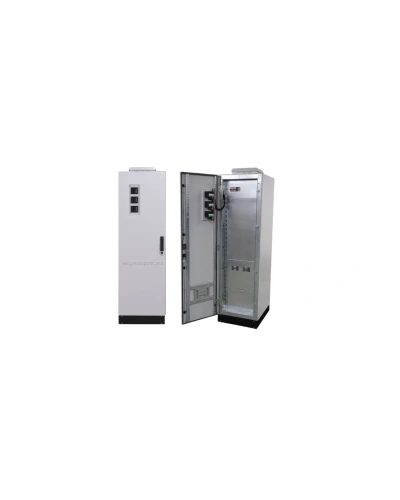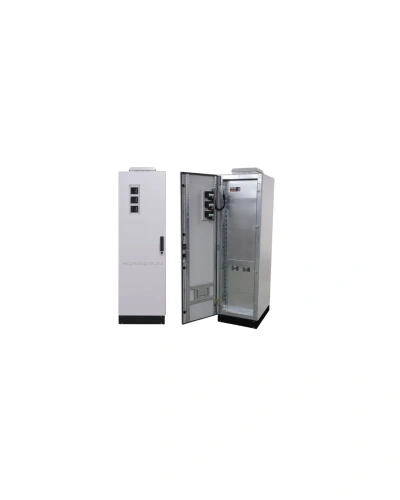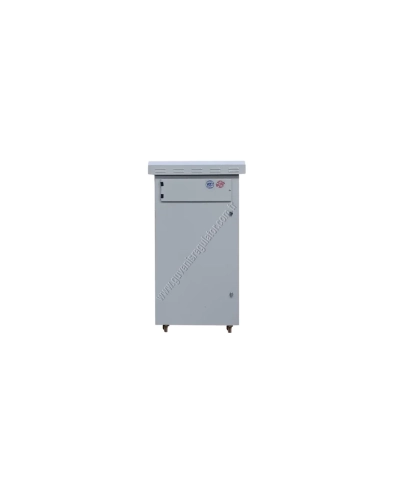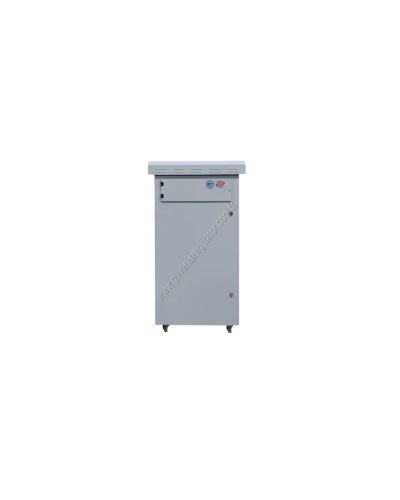
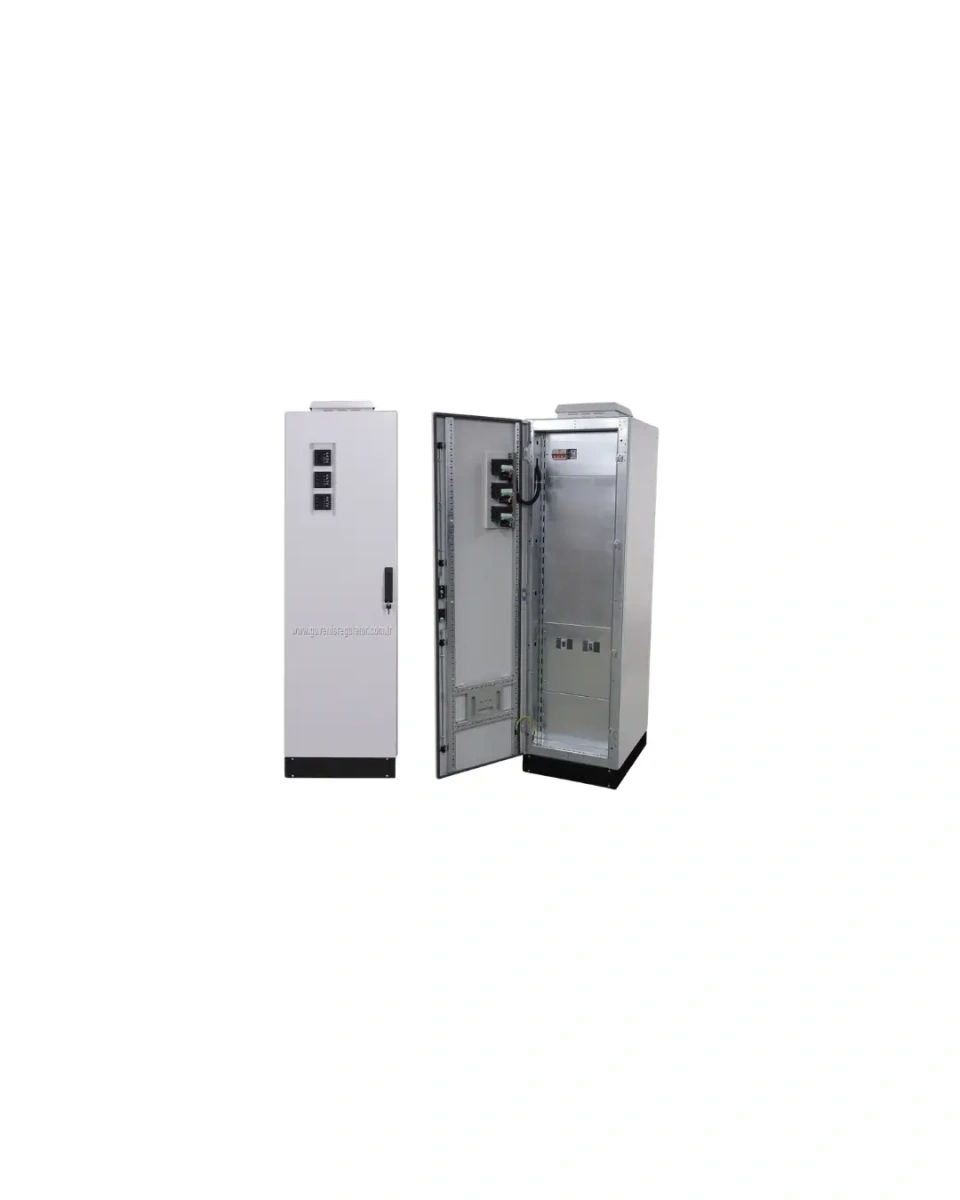
A voltage stabilizer is a device that keeps the voltage going to your equipment steady, even when the power coming from the grid isn't. Mains power often swings higher or lower than it should because of grid load, weather, nearby heavy machinery, or aging infrastructure. A stabilizer sits between the power source and your equipment, watching the incoming voltage and correcting it on the spot so your devices always get a safe, consistent supply.
Voltage stabilizers are common in:
At its core, a stabilizer is constantly checking the incoming voltage. The moment it drifts outside a safe range, the stabilizer steps in and adjusts it back to normal before it reaches your equipment.
Manufacturers use a few different methods to do this:
The right method depends on how sensitive your equipment is and how fast the correction needs to happen.
These use a servo motor paired with a transformer to deliver very accurate, smooth voltage correction. Because the regulation is so precise, they're a popular choice for equipment that can't tolerate even small voltage errors.
Common uses:
Static stabilizers use electronic components instead of a motor, which means there's nothing mechanical to wear out and corrections happen in a fraction of a second. They're built for environments where even a brief voltage dip can cause problems.
Common uses:
Voltage that's too high can quietly damage circuit boards and shorten the life of motors and electronics. Voltage that's too low can cause equipment to overheat, malfunction, or shut off mid-operation. Over time, either problem adds up to higher repair bills, more downtime, and equipment that needs replacing far sooner than expected.
A stabilizer removes that risk by keeping voltage in a safe, narrow range no matter what the grid is doing outside.
Not every stabilizer fits every situation. A hospital running diagnostic equipment has very different needs than a small office or a single home appliance. Before buying, it helps to think through:
Getting this right from the start means fewer surprises later — and equipment that's actually protected, not just plugged into something labeled "stabilizer."
Voltage fluctuations are one of those problems you don't notice until they've already cost you money. A good voltage stabilizer works quietly in the background, correcting power issues before they ever reach your equipment. Whether you're protecting a hospital ward, a production line, or a home office, matching the right stabilizer to your power needs is one of the simplest ways to avoid expensive surprises down the road.
 VOLTAJ REGÜLATÖR
 Monofaze Servo Voltaj Regülatörü
  Trifaze Servo Voltaj Regülatörü
 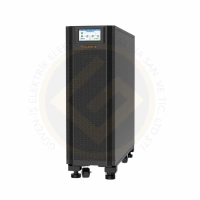 UPS
UPS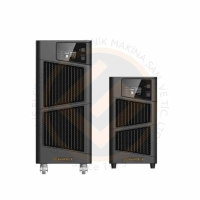 Online UPS
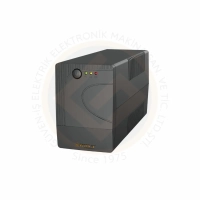 Line Interaktif UPS
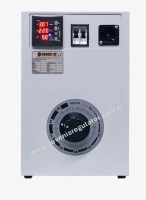 TEST VARYAK