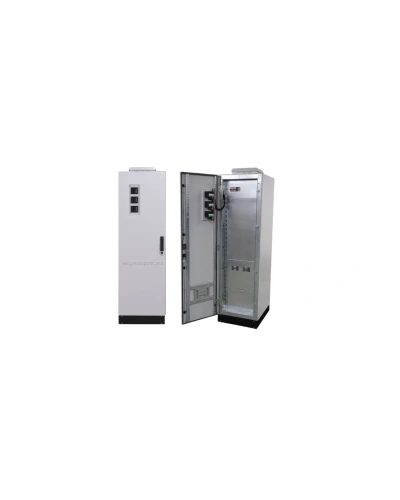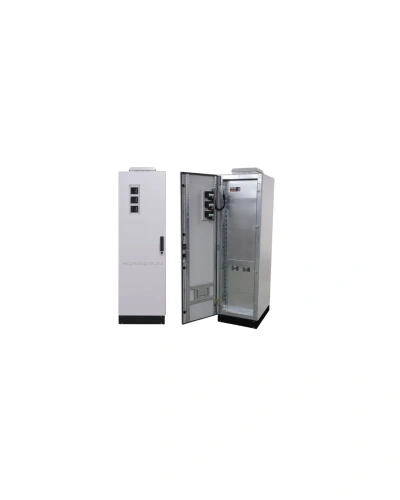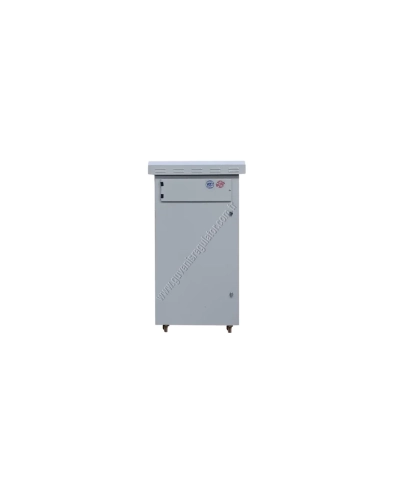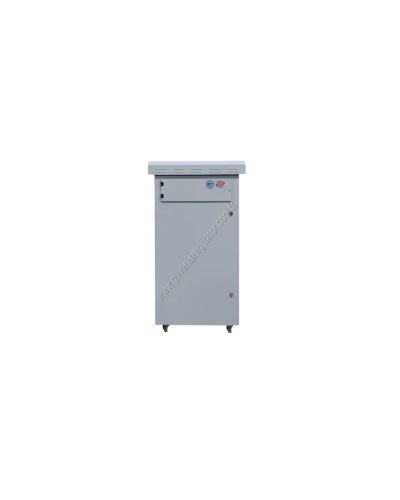
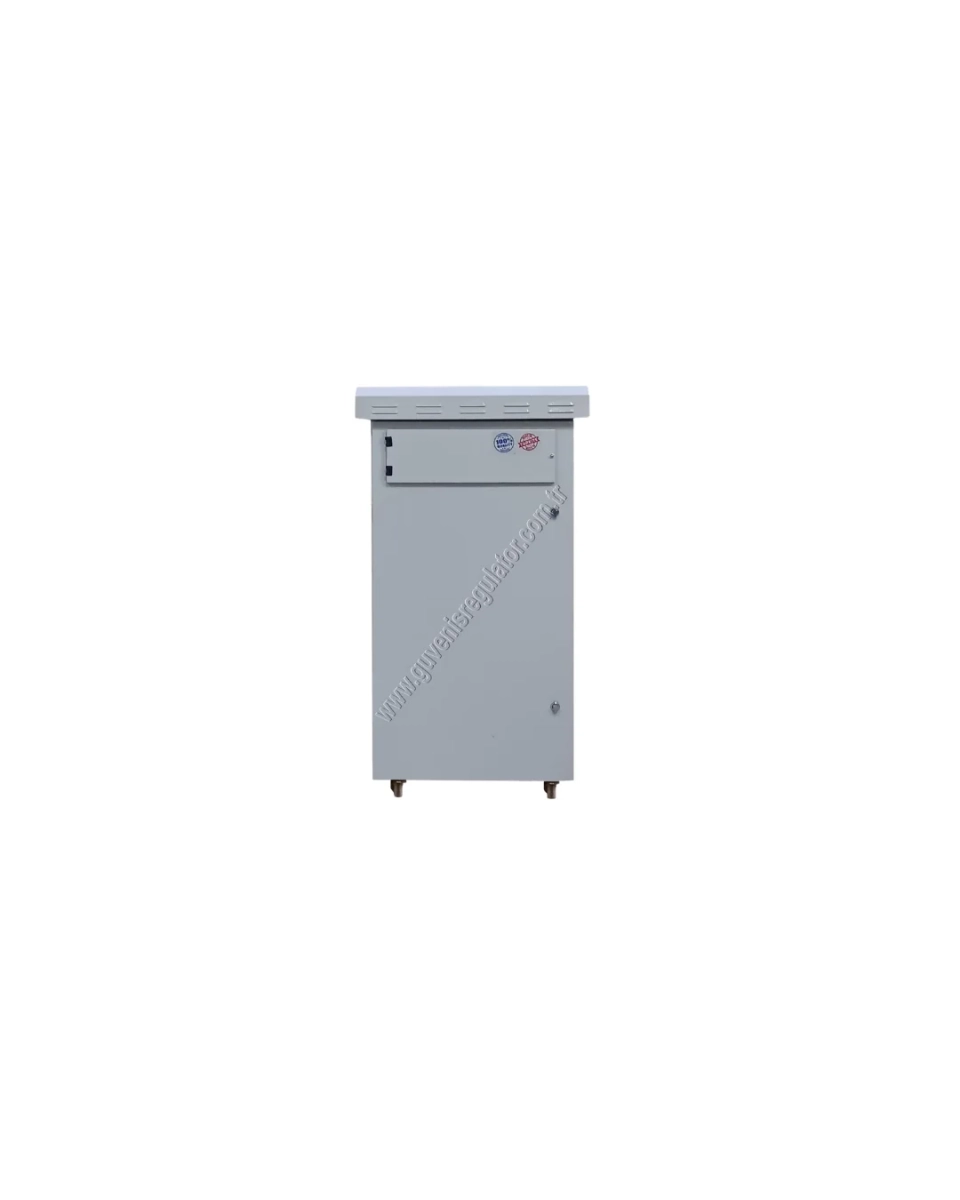
Low voltage in a home should first be addressed by checking the electrical wiring and utility connections. If the problem originates from the power grid, the most effective solution is to use a voltage stabilizer. Voltage stabilizers automatically compensate for low or high input voltage and provide a constant output voltage to connected equipment.
A voltage stabilizer maintains a steady and safe voltage supply to electrical equipment by correcting fluctuations in the utility power. It protects devices from voltage sags and surges, helping to extend their service life and reduce the risk of electrical failures.
To solve low voltage problems, the electrical installation should be inspected, loose connections repaired, and a voltage stabilizer installed if necessary. A stabilizer boosts low input voltage to the required level, allowing electrical equipment to operate efficiently and safely.
In Türkiye, the nominal mains voltage is considered 220 volts. Under normal conditions, household voltage should remain close to this value. However, in areas with weak infrastructure or heavy electrical demand, voltage may drop to 170–180 volts, and in extreme cases to 150–160 volts, which can lead to overheating, poor performance, and equipment damage.
Without a voltage stabilizer, electrical equipment may be exposed to low or high voltage conditions. This can cause reduced performance, unexpected shutdowns, overheating, and long-term damage to sensitive electronic components and circuit boards.
Voltage stabilizers are widely used in homes, factories, hospitals, data centers, telecommunication facilities, production lines, laboratories, and offices. They are preferred wherever a stable voltage supply is required to ensure reliable operation and protect valuable equipment.
Voltage stabilizers are classified according to their operating principle. The most common types include:
Each type offers different advantages depending on the application, load characteristics, and required level of voltage regulation.
 VOLTAJ REGÜLATÖR
 Monofaze Servo Voltaj Regülatörü
  Trifaze Servo Voltaj Regülatörü
 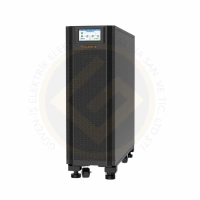 UPS
UPS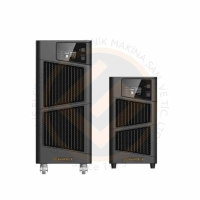 Online UPS
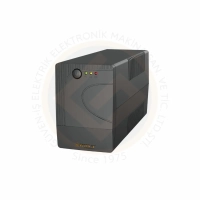 Line Interaktif UPS
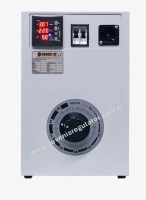 TEST VARYAK